
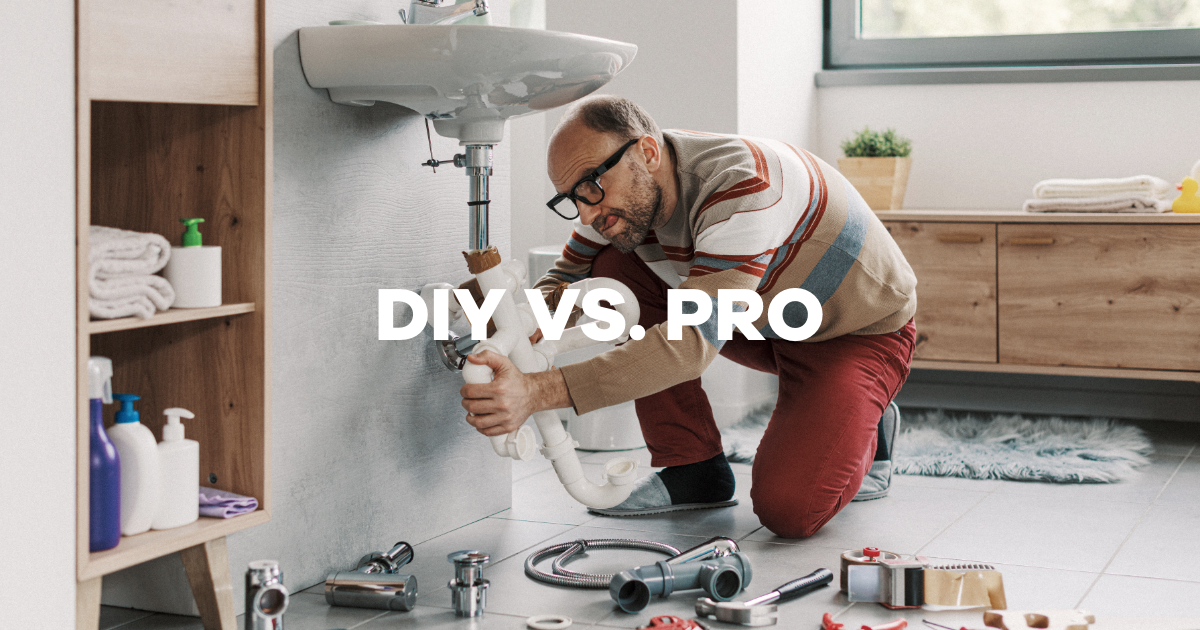
When a plumbing problem pops up, it can be tempting to grab a wrench and try to fix it yourself. Some minor plumbing projects are perfectly reasonable for homeowners to handle, but others can quickly turn into bigger repairs. Knowing the difference between a DIY plumbing project and a job that requires a professional plumber can save you time, money, and a lot of frustration.
SAFE TO DIY
Not every plumbing issue requires a professional. With the right tools and a little know-how, homeowners can often handle simple tasks.
Replacing a Shower Head
Replacing an old shower head is a relatively simple project. Unscrew the existing fixture, clean the connection, apply plumber’s tape if appropriate, and install the new shower head according to the manufacturer's instructions.
Replacing a Toilet Flapper
If your toilet is constantly running, the flapper may be the culprit. Replacing a worn-out flapper is an inexpensive repair that many homeowners can handle themselves. If the toilet continues running after the repair, there may be another issue that requires professional attention.
Cleaning or Replacing Your Faucet Aerator
Low water flow from a faucet can sometimes be caused by mineral buildup in the aerator. Removing and cleaning the aerator is a simple maintenance task that can restore water flow.
Insulating Exposed Pipes Before Winter
As temperatures drop, exposed pipes in garages, basements, crawl spaces, and other unheated areas can freeze. Adding pipe insulation before winter arrives can help protect your plumbing, prevent costly damage, and keep your water flowing all season long.
CALL A PRO
Some plumbing jobs involve specialized tools, technical knowledge, permits, or a risk of significant water damage. These are situations where calling a professional plumber is the safer choice.
Water Heater Repairs & Installation
Water heaters involve water, electricity or gas, and high temperatures. Attempting a complicated water heater repair without the proper experience can be dangerous. If you notice leaking, unusual noises, inconsistent hot water, rusty water, or other changes in your water heater's performance, have a professional inspect it.
Sewer Line Issues
If multiple drains are backing up, you notice sewage odors, or wastewater is coming back through drains, the problem may be in your main sewer line. Sewer line repairs often require specialized equipment and expertise, making this a job for a licensed plumbing professional.
Major Leaks Inside Walls
A leaking pipe can quickly cause water damage to floors, walls, ceilings, and personal belongings. If you have a significant leak—or a pipe has burst—turn off your main water supply and contact a professional as soon as possible.
Burst or Frozen Pipes
Frozen pipes can quickly turn into burst pipes and serious water damage. If you suspect a pipe is frozen or has burst, shut off your main water supply and call a professional to safely assess the problem and prevent further damage.
Proceed with Caution
A good rule of thumb is to consider the potential consequences of getting the repair wrong. If a DIY project goes wrong and the worst outcome is that you need to replace a $20 fixture, it may be a reasonable project to tackle yourself. But if a mistake could lead to a flooded home, damaged walls, sewage exposure, or a gas leak, it's time to call a professional.
Installing a New Toilet
Replacing a toilet may seem straightforward, but proper installation involves more than simply connecting the water line. A faulty installation can result in leaks that may go unnoticed until they cause damage to your flooring or subfloor.
Garbage Disposal Replacement
Replacing a garbage disposal can be a manageable project for an experienced DIYer, but it involves both plumbing and electrical connections. If you’re not comfortable working with electrical connections or aren’t sure how the disposal should be wired and installed, leave the job to a professional.
Outdoor Faucet Replacement
A dripping outdoor faucet might seem like a simple fix, but replacing one can involve more than the fixture itself. An improperly installed outdoor faucet can leak inside the wall, potentially causing significant water damage.
Dishwasher or Washing Machine Hookups
Installing or replacing a dishwasher or washing machine involves water supply and drainage connections and a mistake can quickly lead to a significant leak. If you’re replacing an appliance and the existing connections are in good condition and you’re comfortable following the manufacturer’s instructions, it may be a manageable project.
DIY or Pro? Know Your Limits.
DIY plumbing projects can be a great way to handle simple maintenance and minor repairs around the house, but knowing when to put down the wrench is just as important as knowing how to pick it up. When a plumbing problem is beyond your experience, or when getting it wrong could cause serious damage, calling a professional can save you from turning a small plumbing problem into a major one.
When in doubt, don't risk it. Let a plumbing professional diagnose the problem and get your home's plumbing back in working order.